
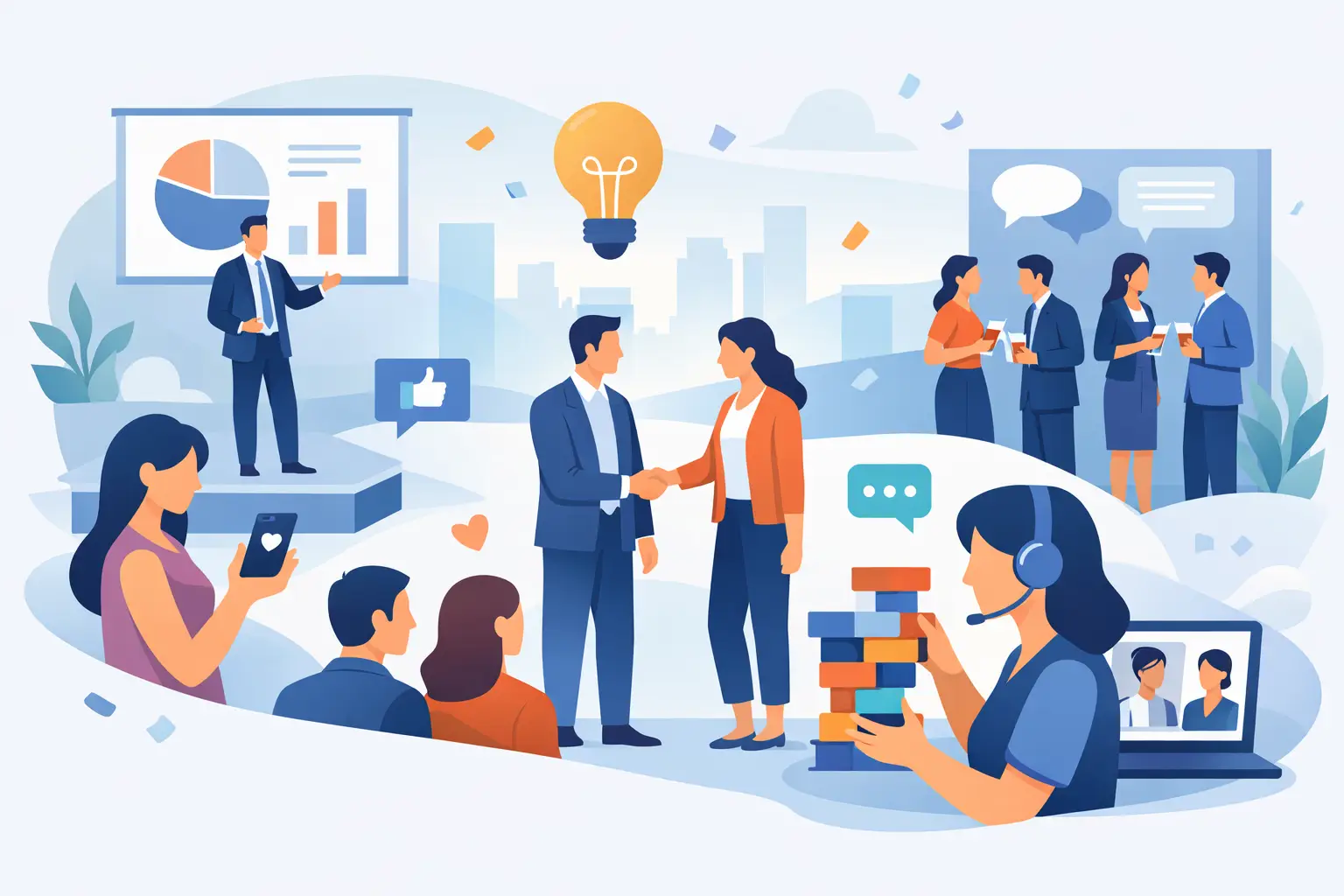
A room can look incredible on paper – polished venue, great catering, sharp branding – and still feel flat the moment guests arrive. That is usually the real challenge behind any guide to corporate event guest engagement. People do not remember the agenda first. They remember whether they felt included, energized, and part of something worth talking about.
At corporate events, guest engagement is not about filling every second with activity. It is about creating the right moments at the right time. A welcome that breaks the ice. A shared experience that gets people interacting beyond their usual circles. A take-home memory that lasts longer than the event badge. When those elements are planned well, the whole event feels more valuable.
What corporate event guest engagement actually means
Guest engagement is often treated like a buzzword, but for event hosts it is much more practical than that. It is the difference between people attending and people participating. Attendance tells you they showed up. Engagement tells you they connected with the experience, with each other, and with your brand.
That connection can look different depending on the event. At a holiday party, it might mean laughter, group photos, and people lingering longer than expected. At a conference or brand activation, it could mean guests sharing content, starting conversations, and interacting with branded elements in a way that feels natural rather than forced.
The strongest engagement usually happens when three things work together. Guests need something easy to step into, something visual enough to spark interest, and something rewarding enough to feel worth their time. If one of those pieces is missing, participation tends to drop.
A guide to corporate event guest engagement starts with guest behaviour
Most guests do not walk into a corporate event looking for instructions. They scan the room, read the energy, and decide where it feels safe or exciting to join in. That means your engagement strategy has to account for real behaviour, not just event goals.
Some people are outgoing and will try anything first. Others need to see a small crowd gather before they participate. Some want a polished photo they can keep. Others want a quick, playful video they can share instantly. The more your event offers different ways in, the better your overall participation will be.
This is where hosts sometimes overcomplicate things. More activities do not automatically create more engagement. In fact, too many disconnected elements can split attention and make the room feel busy rather than magnetic. A better approach is to choose one or two standout experiences that are visible, intuitive, and easy to enjoy without a long explanation.
Why passive events lose momentum
A common issue at corporate functions is relying too heavily on food, music, and decor to carry the atmosphere. Those things matter, of course, but they are background elements. They support the event. They rarely create the interaction on their own.
If guests are left with nothing to do but stand, sip, and make small talk, the energy often settles into familiar groups. Colleagues stay with colleagues. Clients stay with the people they know. New connections happen less often. The room may look full, but it does not always feel alive.
Interactive experiences change that dynamic because they give people a reason to move, gather, react, and share. They create low-pressure participation. Guests do not have to invent a conversation starter when the experience does it for them.
The best engagement ideas give guests a role
The most effective event activations do not make guests watch. They invite them in. That is why interactive photo and video experiences work so well at corporate events. They turn attendees into contributors.
A 360 Video Booth, for example, adds movement and social energy fast. It suits events where you want bold visual content, team celebration, or a more modern branded feel. Guests are not just standing for a photo. They are creating a short, dynamic moment that feels exciting in real time and even better when shared later.
A Magic Mirror Photo Booth creates a different kind of interaction. It feels polished, playful, and approachable, which makes it a strong fit for galas, staff appreciation events, and upscale corporate parties. The mirror draws attention on its own, and the experience feels elevated from the first touch.
Then there are engagement pieces that work especially well when the goal is conversation and collective participation. A Mosaic Photo Wall gives guests a shared project to build throughout the event. Each contribution becomes part of a larger final image, which adds anticipation and encourages repeat visits. Draw Bots bring a more unexpected creative twist. People are naturally curious about them, and that curiosity turns into traffic, reactions, and memorable keepsakes.
The right choice depends on the event. If you want sleek branded content, one experience may fit better than another. If your goal is to get people mingling across departments or guest groups, a collaborative installation might outperform a faster individual booth. It depends on whether you want high volume, high interaction time, or a stronger visual centrepiece.
Timing matters more than most hosts expect
Even the best activation can underperform if it appears at the wrong moment. Guest engagement should follow the rhythm of the event.
Early in the evening, people are still settling in. This is the best time for approachable experiences that help guests loosen up without feeling put on the spot. As energy builds, more animated experiences tend to perform better. Later in the event, guests are often more willing to gather in groups, create bigger reactions, and share more freely.
That does not mean everything needs a strict schedule. It means the placement and pacing should support natural guest flow. If your feature experience is tucked into a quiet corner, it may struggle. If it sits where guests already pause, circulate, or gather, participation rises without extra effort.
Design for shareability, not just participation
A lot of corporate event planners now want guest engagement to do two jobs at once. It should entertain people in the room and create content that extends the event beyond the venue. That is a smart goal, but only if the content feels good enough to share.
This is where quality really matters. Poor lighting, generic templates, or clunky output can make even a fun activity feel forgettable. On the other hand, professional-grade capture, polished design, and instant delivery by text or email make the experience feel current and worth posting.
For corporate hosts, that shareability has real value. It can increase brand visibility, give attendees branded keepsakes they actually want, and help the event feel more modern and relevant. But there is a trade-off. If branding is too heavy-handed, guests may see the activation as promotional rather than enjoyable. The sweet spot is subtle, stylish branding woven into a genuinely fun experience.
Make the experience easy to join
If guests need too much explanation, many will skip it. The strongest engagement setups feel obvious from across the room. People can tell what is happening, what they will get out of it, and how to take part.
That is why visual appeal matters so much. A beautiful backdrop, a striking installation, or an eye-catching booth format acts like a magnet. It gives people confidence that the experience is part of the event, not an awkward side activity. Staff support matters too. A warm, professional team can guide participation, keep lines moving, and help shy guests feel comfortable enough to try it.
This is especially important at mixed corporate events where not everyone knows each other. The easier the interaction feels, the more likely it is that guests from different teams, offices, or client groups will step in together.
Personalization is what makes engagement feel intentional
Guests notice when an experience looks like it belongs at the event rather than being dropped in at the last minute. Custom overlays, branded print designs, coordinated backdrops, and event-specific touches all make a difference.
That does not mean every event needs a heavily themed setup. Sometimes a clean, elegant design does more than something overly busy. But the experience should still feel considered. A sophisticated awards night has different needs than a product launch or holiday party. Engagement works best when it reflects the event’s tone instead of competing with it.
A consultation-led approach helps here because the right experience is not always the most obvious one. Some events benefit from a high-energy feature. Others need something more refined and visually polished. Matching the activation to the audience is what turns a nice extra into one of the strongest parts of the night.
Measuring success beyond the line-up
A busy booth is a good sign, but it is not the whole story. Real guest engagement shows up in a few ways. People bring others over. They come back for a second round. They talk about the experience while moving through the event. They share the content after they leave.
For corporate hosts, success can also mean stronger brand presence, better guest interaction, and a more memorable atmosphere overall. Sometimes the biggest win is not just that guests participated. It is that the event felt easier, warmer, and more alive because they did.
If you are planning a corporate event in Niagara, Toronto, or across the GTA, the smartest move is to choose experiences that look exceptional and give guests a clear reason to join in. Pic Booth builds around exactly that idea – beautiful capture, interactive energy, and moments people actually want to remember.
When guests stop checking the time and start pulling each other into the fun, you know the event is working.