
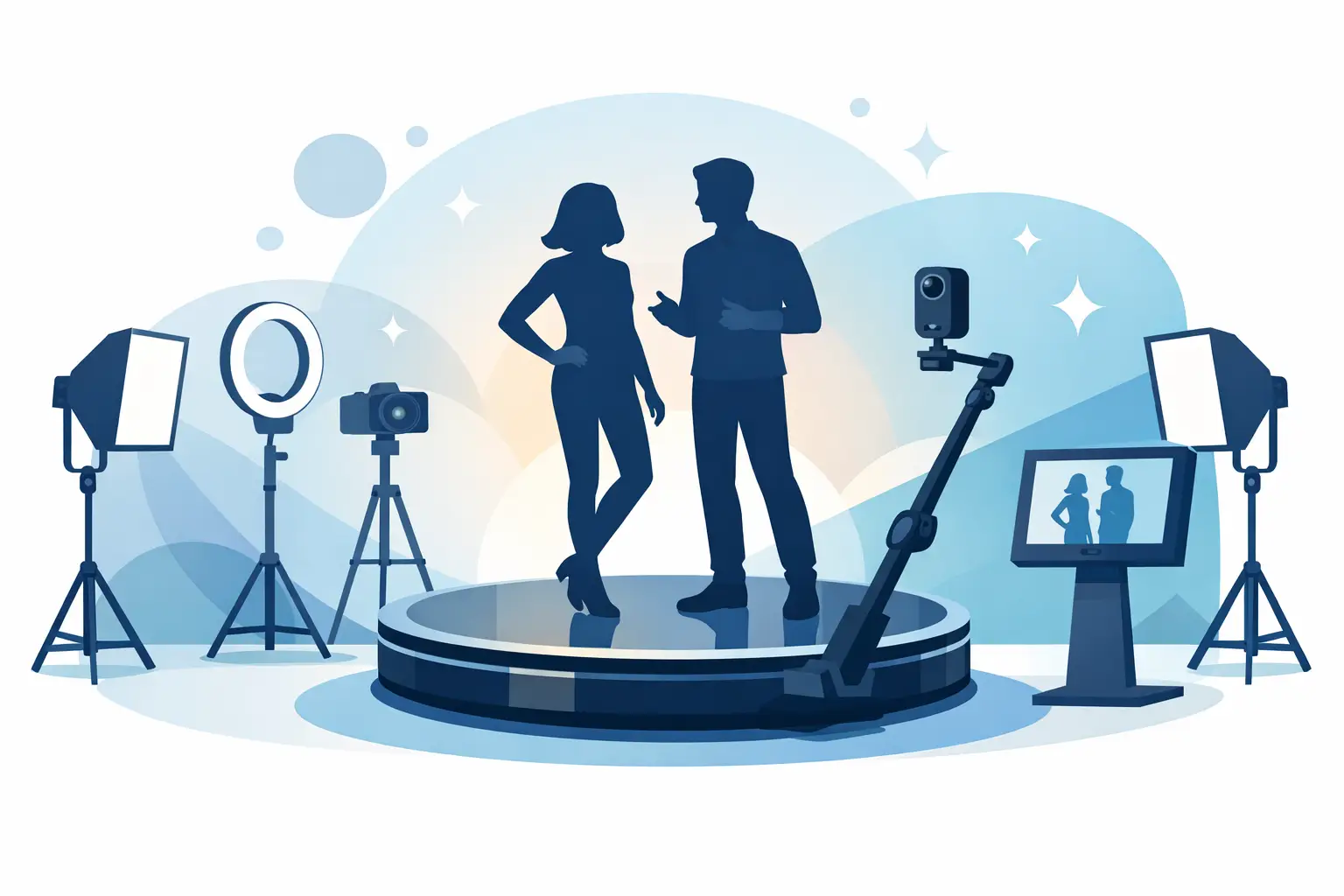
The best 360 clips look effortless – a swirl of movement, great lighting, and guests who look like they belong on the highlight reel. What most hosts do not see is that the magic starts long before anyone steps onto the platform. A smart guide to 360 video booth setup is really about planning the full guest experience, from where the booth sits in the room to how quickly videos get shared.
For weddings, galas, and upscale private events, the setup can make the difference between a booth people try once and a booth that stays busy all night. If you want those dramatic, polished, social-ready videos guests actually post, every detail matters a little more than people expect.
Why 360 video booth setup matters more than the booth itself
A premium 360 video booth can still underperform in the wrong environment. Place it in a dark corner, too close to the bar, or in a traffic bottleneck, and the result is usually the same – awkward lines, rushed clips, and videos that feel chaotic instead of cinematic.
The opposite is also true. When the setup is right, the booth becomes part entertainment, part visual centrepiece. Guests understand where to go, they feel confident stepping on, and the final videos carry the energy of the event instead of the stress around it.
That is especially important for couples and planners who care about aesthetic consistency. A 360 booth is not just an activity. It is a filmed moment, and the room around it shows up in every spin.
A practical guide to 360 video booth setup for events
The first decision is placement. In most venues, the sweet spot is close enough to the main action that guests notice it, but far enough away that the line and movement do not interrupt dinner service, speeches, or dancing. Near the reception space often works well. Right beside the DJ speakers or directly in a narrow walkway usually does not.
You also want enough clearance around the platform for the rotating arm, the booth attendant, and the guests waiting nearby. Tight placements create two problems at once – safety concerns and messy footage. If coats, purses, banquet chairs, or service carts can drift into the frame, they usually will.
Lighting is the next big factor. A 360 booth can include its own lighting support, but room lighting still affects the finished look. Soft, flattering, even light is ideal. Harsh overhead pot lights can cast shadows, while dim amber reception lighting may feel romantic in person but muddy on camera. If the booth area is dramatically darker than the rest of the room, the videos lose that crisp, premium finish people expect.
Then there is flooring. This sounds minor until the booth starts wobbling. The platform needs a stable, level surface. Uneven floors, thick carpet transitions, or areas with constant vibration from foot traffic can affect comfort and footage quality. In older venues and tented spaces, this is worth checking early.
Guest flow is part of the setup
One of the biggest mistakes in any guide to 360 video booth setup is focusing only on gear. The better question is how guests will move through the experience.
Think about the full journey. Can guests spot the booth easily? Is there room to queue without blocking tables? Can they step off and receive their video without stopping the next group? If the answer to any of those is no, the booth can become more frustrating than fun.
For weddings, timing matters too. A 360 booth often gets the best energy after dinner, once guests are relaxed and ready to play a little. Open it too early, and people may be distracted by cocktails, seating, or speeches. Open it too late, and you can lose guests who have already left. It depends on the event schedule, but the most successful setups are treated as part of the evening flow, not an afterthought.
For corporate events, the rhythm is different. You may want the booth open during a cocktail hour, activation window, or networking period where branded videos can spread quickly. In that setting, visibility and speed matter even more than romance.
Styling the booth so the videos feel intentional
A 360 booth captures movement, but it also captures context. That means the backdrop, surrounding decor, and open space around the platform all shape the final clip.
If your event design is elegant and refined, the booth area should reflect that. A cluttered corner with venue storage nearby will show up on camera and pull down the overall look. Clean sightlines, coordinated decor, and a backdrop that suits the event style create a stronger result than any trendy effect added later.
For weddings, this might mean matching florals, signage, or a custom start screen to the couple’s design palette. For corporate activations, it may mean clean branding, high-contrast visuals, or a setup that supports sponsor visibility without feeling heavy-handed. The goal is not to overdecorate. It is to make the footage feel like it belongs to the event.
Props are another choice that depends on the crowd. Some groups love them, especially at high-energy parties. Others prefer a more polished editorial feel. There is no universal rule here. If the event leans luxury, fewer but better props usually work better than a pile of novelty items.
Safety and comfort should never feel like an afterthought
A 360 booth should feel exciting, not intimidating. Guests need enough space to step on and off confidently, especially in formalwear and heels. If the platform is surrounded by cables, crowding, or poor lighting, people become hesitant. That hesitation shows up in the final videos.
The rotating arm also means there needs to be clear supervision. This is not a drop-off rental category. A dedicated attendant helps guests position themselves, explains how the clip works, keeps the line moving, and makes sure the experience stays safe and fun. That support is a big part of why full-service setups tend to produce better results than bare-bones options.
This matters even more at weddings where guests range widely in age and comfort level. Some will jump right in. Others will need a quick bit of encouragement. A good attendant reads the room and keeps the energy welcoming rather than pushy.
The tech matters, but the output matters more
Hosts sometimes get pulled into comparing equipment specs, and while quality absolutely matters, the guest-facing result is what people remember. They remember whether the video looked sharp, whether the slow-motion effect felt smooth, whether the music fit the mood, and whether they received the clip quickly.
Fast sharing is part of the setup, not just a bonus feature. If guests can text or email their video right away, the booth becomes instantly more social and more memorable. If delivery is delayed, confusing, or inconsistent, the excitement drops fast.
Overlays, event branding, and custom graphics also make a real difference. A wedding monogram, a date, a polished frame, or a branded corporate overlay turns a fun clip into a keepsake. This is where a photography-first approach stands out. It is not just about recording motion. It is about creating something guests actually want to save and share.
Common setup mistakes that affect the final experience
Most 360 booth problems are not dramatic. They are small planning misses that stack up. The booth is placed too close to a wall. The line spills into the dance floor. The lighting looks great for dinner but terrible on video. The backdrop competes with the room instead of complementing it.
Another common issue is underestimating how popular the booth will be. For a larger wedding or busy branded event, one booth area can become a major attraction. That is a good problem to have, but only if the setup allows for it. Space, staffing, and timing need to match the guest count.
There is also the question of whether a 360 video booth is the right fit for the event at all. If your crowd is more reserved, or if the schedule is already packed, another format may offer a better return. Sometimes a Magic Mirror, DSLR booth, Draw Bots activation, or Mosaic Photo Wall creates more interaction with less wait time. The best event experiences are curated, not forced.
Choosing a setup that fits your event style
The strongest events do not treat entertainment as separate from design. They make every touchpoint feel considered. That includes the booth.
For a black-tie wedding, the ideal setup may be sleek, minimally branded, and positioned where lighting flatters formalwear. For a high-energy party, you might lean into bolder music, more movement, and a more visible placement near the action. For a corporate launch, you may care most about throughput, branded output, and a setup that invites quick participation.
This is where working with an experienced team helps. A proper consult can flag the things hosts often miss, like venue constraints, timing issues, electrical access, or whether a different booth format would better suit the guest mix. In Southern Ontario venues, where layouts can range from modern ballrooms to vineyard spaces and historic properties, that guidance is worth more than a generic checklist.
At its best, a 360 booth is not just another station in the room. It becomes part of the atmosphere, part of the energy, and part of what guests remember when the night is over. If you plan the setup with the same care as the rest of the celebration, the footage will not just look good – it will feel like your event.